
A newly installed gas hob should provide a stable blue flame, reliable ignition, and safe operation from day one. When a gas hob burner keeps turning off after installation, many homeowners assume the appliance is faulty. In reality, the cause is often related to gas pressure regulation, airflow imbalance, installation errors, burner assembly problems, or a safety component detecting an issue.
This problem is more common than many people realize. A gas hob may ignite normally, burn for a few seconds, and then go out when the control knob is released. In other cases, the flame appears weak, flickers excessively, or keeps switching off during cooking.
At gashobinstallationlondon.co.uk, we regularly diagnose gas hob installation problems across London. In many cases, the solution is straightforward once the root cause has been identified correctly. This guide explains exactly why a gas hob flame keeps going out after new installation, how to diagnose the problem, and when professional intervention is required.
Why Does My Gas Hob Keep Turning Off After Installation?
The most common reasons include:
- Low gas pressure
- Incorrect burner cap alignment
- Thermocouple safety device faults
- Airflow imbalance
- Gas regulator problems
- Blocked burner injectors
- Installation errors
- Gas supply restrictions
- Incorrect gas conversion settings
- Faulty flame failure device
A newly installed gas hob keeps going off because the appliance is not receiving the correct combination of gas flow, air intake, and ignition stability needed to maintain combustion.
Quick Answer: Is It a Gas Pressure or Airflow Issue in My Hob?
Both can cause identical symptoms.
Signs of Low Gas Pressure
- Flame appears unusually small
- Multiple burners perform poorly
- Flame reduces when another appliance operates
- Burner struggles to remain lit
- Gas hob low flame after new connection
Signs of Airflow Problems
- Flame lifts away from burner ports
- Flame makes a blowing sound
- Flame appears unstable
- Yellow tipping develops
- Burner extinguishes unexpectedly
Many homeowners assume a gas hob airflow issue is the cause when the real problem is low gas pressure gas hob performance.
How a Gas Hob Stays Lit
Understanding the basic operation helps diagnose faults accurately.
A gas hob requires:
- Correct gas supply pressure
- Proper air-to-gas ratio
- Working ignition system
- Stable combustion
- Functional thermocouple safety device
The thermocouple safety device detects heat from the flame. Once heated, it signals the gas valve control to remain open.
When the flame disappears, the flame failure device automatically shuts off the gas supply as a safety measure.
This prevents dangerous gas leaks and is required under UK gas safety regulations.
Why Does the Flame Go Out When I Release the Knob?
This is one of the most common gas hob ignition problems after installation.
Possible Causes
Thermocouple Not Heating Properly
The thermocouple must sit directly within the flame.
When positioned incorrectly:
- It does not heat sufficiently
- The safety valve closes
- The burner goes out immediately
Weak Flame
Low flame intensity may fail to heat the thermocouple adequately.
Common causes include:
- Gas pressure regulation issues
- Injector restrictions
- Incorrect burner assembly
Faulty Thermocouple
Although uncommon on new appliances, manufacturing defects can occur.
Symptoms include:
- Burner lights normally
- Flame stays lit only while knob is held
- Flame dies immediately after release
Can Low Gas Pressure Cause Hob Burners to Switch Off?
Yes. Low gas pressure is one of the leading causes of gas hob burner problems following installation.
Common Causes of Pressure Loss
Undersized Gas Pipework
Gas pipe sizing issues can restrict gas flow.
This is particularly common during kitchen renovations where:
- New appliances are added
- Existing pipework remains unchanged
- Flow demand increases
Faulty Regulator
A gas hob regulator problem can reduce appliance performance dramatically.
Signs include:
- Weak flames
- Delayed ignition
- Burners going out unexpectedly
Supply Restrictions
A gas supply issue hob diagnosis often reveals:
- Partially closed isolation valves
- Kinked flexible connections
- Debris in supply lines
LPG Conversion Errors
LPG vs natural gas pressure requirements differ significantly.
Using incorrect injectors may cause:
- Poor combustion
- Flame instability
- Appliance safety shutdown
Gas Pressure vs Airflow Problems Comparison
| Symptom | Gas Pressure Issue | Airflow Issue |
|---|---|---|
| Weak flame | Yes | Sometimes |
| Yellow flame | Occasionally | Common |
| Flame lifting | Rare | Common |
| Burner extinguishes | Yes | Yes |
| Poor ignition | Yes | Yes |
| Multiple burners affected | Common | Less common |
| Flame noise | Rare | Common |
| Appliance-wide problem | Common | Usually localized |
This comparison helps narrow down the most likely cause before further testing.
Gas Hob Flame Keeps Going Out After New Installation: Most Common Installation Errors
Incorrect Burner Cap Alignment
Burner cap alignment is frequently overlooked.
Even slight misalignment can cause:
- Uneven flames
- Ignition failure
- Flame instability
Many callouts are resolved simply by reseating the burner cap correctly.
Loose Burner Components
Some burners consist of:
- Base ring
- Burner head
- Cap
Incorrect assembly affects combustion stability.
Wrong Injector Fitted
Different gas types require different injectors.
Using the wrong injector can create:
- Excessive flames
- Low flames
- Burner shutdown
Installation Error Diagnosis
Professional engineers often inspect:
- Gas pressure
- Injector size
- Ventilation conditions
- Thermocouple positioning
- Burner assembly
A systematic installation error diagnosis prevents unnecessary part replacement.
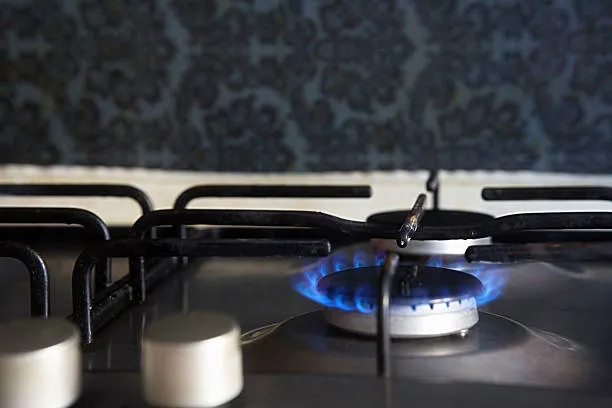
Gas Hob Works for Few Seconds Then Turns Off
This symptom almost always points toward a flame detection issue.
Typical Causes
Thermocouple Positioning
The flame must directly contact the thermocouple tip.
Flame Failure Device Problems
The flame failure device may:
- Fail mechanically
- Become contaminated
- Require replacement
Poor Combustion
Combustion instability can prevent adequate heating of safety components.
Gas Hob Burner Not Igniting Properly
When a gas hob burner not igniting properly accompanies flame loss, investigate:
Ignition System Fault
Possible issues include:
- Damaged ignition electrode
- Moisture contamination
- Electrical connection problems
Burner Port Blockages
Food residue may block burner ports.
This creates:
- Uneven flame spread
- Delayed ignition
- Burner shutdown
Gas Flow Restriction
Gas flow restriction can result from:
- Pipe contamination
- Debris
- Regulator faults
Could a Dirty Burner Cause the Problem?
Absolutely.
Gas hob burner cleaning issues are frequently responsible for performance complaints.
Signs of Dirty Burners
- Uneven flames
- Yellow flames
- Clicking ignition
- Delayed ignition
- Flame going out
Cleaning Procedure
- Turn off gas supply.
- Remove burner cap.
- Remove burner head.
- Clean ports gently.
- Remove grease deposits.
- Reassemble correctly.
Avoid enlarging burner holes with sharp tools.
Flame Colour Matters More Than Most People Realise
Healthy Flame
Characteristics:
- Strong blue colour
- Stable shape
- Even distribution
Warning Signs
Yellow Flame
May indicate:
- Airflow imbalance
- Contamination
- Poor combustion
Orange Flame
Often caused by:
- Dust
- Moisture
- Air quality issues
Flickering Flame
Can indicate:
- Pressure fluctuations
- Ventilation problems
- Burner obstruction
Monitoring flame colour helps identify problems before they become serious.
Kitchen Ventilation Airflow and Burner Stability
Kitchen ventilation airflow directly affects combustion.
Excessive airflow from:
- Extractor fans
- Open windows
- Air conditioning systems
can disrupt flame stability.
Symptoms
- Flame lifting
- Flame movement
- Burner extinguishing
Testing the hob with extraction systems temporarily switched off can help identify airflow-related faults.
Is My Gas Hob Installation Done Incorrectly?
Potential installation issues include:
Incorrect Gas Connection
Loose or unsuitable connections may affect supply consistency.
Incomplete Appliance Setup
Manufacturers specify:
- Burner assembly requirements
- Injector configuration
- Pressure settings
Failure to follow instructions may create operational issues.
Incorrect Gas Type Configuration
A hob configured for LPG but connected to natural gas may experience severe performance problems.
How to Fix a Burner That Keeps Going Out
Step 1: Inspect Burner Assembly
Check:
- Burner cap alignment
- Burner seating
- Component positioning
Step 2: Clean Burner Components
Remove:
- Food debris
- Grease
- Dust
Step 3: Hold Knob Longer
Allow sufficient time for the thermocouple to heat.
Step 4: Check Flame Quality
Observe:
- Flame colour
- Stability
- Uniformity
Step 5: Assess Other Burners
Multiple affected burners often indicate a supply-side problem.
Step 6: Arrange Professional Testing
Pressure measurements require specialist equipment.
A qualified engineer can verify:
- Gas pressure regulation
- Appliance settings
- Safety system performance
Real-World Example
A London homeowner recently reported that their gas hob not staying lit after fitting new hob installation was completed.
Symptoms included:
- Burner ignited normally
- Flame remained for several seconds
- Flame extinguished after knob release
Inspection revealed:
- Burner cap slightly misaligned
- Thermocouple partially outside flame envelope
After repositioning the burner components, normal operation returned immediately.
No parts required replacement.
This demonstrates why accurate diagnosis matters before replacing components.
Features and Benefits of Professional Gas Hob Diagnosis
Accurate Fault Identification
Prevents unnecessary repairs.
Safety Compliance
Ensures compliance with UK gas appliance installation standards.
Pressure Testing
Confirms proper gas supply conditions.
Gas Leak Detection Signs Assessment
Engineers inspect for:
- Unusual odours
- Pressure loss
- Connection issues
Certification Verification
Proper cooker installation certification confirms work meets required standards.
Common Mistakes Homeowners Make
Replacing Parts Too Early
Many issues stem from installation setup rather than faulty components.
Ignoring Weak Flames
Weak flames often indicate developing supply issues.
Using DIY Gas Adjustments
Gas appliances should not be modified without appropriate qualifications.
Skipping Maintenance
Regular gas hob servicing reduces future breakdowns.
Assuming New Means Fault-Free
New appliances can still suffer from setup and installation errors.
Should I Call a Gas Safe Engineer for This Issue?
Yes, particularly when:
- Burner repeatedly goes out
- Gas pressure appears low
- Multiple burners are affected
- You smell gas
- Yellow flames are present
- Installation was recently completed
A Gas Safe engineer inspection provides the safest and most accurate diagnosis.
Frequently Asked Questions
Why does my gas hob burner keep turning off after installation?
The most common causes include low gas pressure, thermocouple issues, airflow imbalance, burner cap misalignment, and installation errors.
Can low gas pressure cause a gas hob flame to go out?
Yes. Low gas pressure reduces flame stability and may prevent the thermocouple from remaining hot enough to keep the gas valve open.
Why does my gas hob work for a few seconds then turn off?
This usually indicates a thermocouple safety device problem or a flame failure device shutting off the gas supply.
Is a yellow flame normal on a gas hob?
No. A healthy flame should be predominantly blue. Yellow flames often indicate combustion or airflow issues.
How do I know whether my problem is pressure or airflow related?
Weak flames across multiple burners often indicate pressure issues. Flame lifting, fluttering, or blowing out commonly points to airflow problems.
Can a dirty burner cause a gas hob to switch off?
Yes. Blocked burner ports can affect flame stability and interfere with proper thermocouple heating.
Does a new gas hob need servicing?
New appliances generally do not require immediate servicing, but installation verification and safety checks are recommended.
Should I use my hob while this problem continues?
No. Repeated burner shutdowns should be investigated promptly to ensure safe operation.
Conclusion
A gas hob burner keeps turning off after installation for several possible reasons, but the root cause is usually linked to gas pressure regulation, airflow imbalance, thermocouple operation, burner assembly errors, or installation-related faults. Correct diagnosis is essential because many issues that appear serious can often be resolved through proper adjustment, cleaning, or setup corrections.
When a gas hob keeps going out, a gas hob flame keeps going out after new installation, or a gas hob not staying lit creates ongoing safety concerns, professional inspection remains the safest option. At gashobinstallationlondon.co.uk, our experienced engineers diagnose and resolve gas hob installation problems quickly, safely, and in accordance with UK gas safety regulations, helping homeowners restore reliable and safe cooking performance.