
Most homeowners blame their boiler when the gas bill creeps up — but your kitchen hob is quietly working against you too. An old, poorly maintained, or inefficient gas hob can add a surprising amount to your annual energy costs, and the problem rarely announces itself with a bang. It’s gradual, subtle, and expensive.
This guide cuts through the noise and gives you a clear, practical picture of how gas hob gas consumption works, what goes wrong with age, and exactly what you can do to stop wasting money every time you cook.
How a Gas Hob Actually Uses Gas (And Why Age Matters)
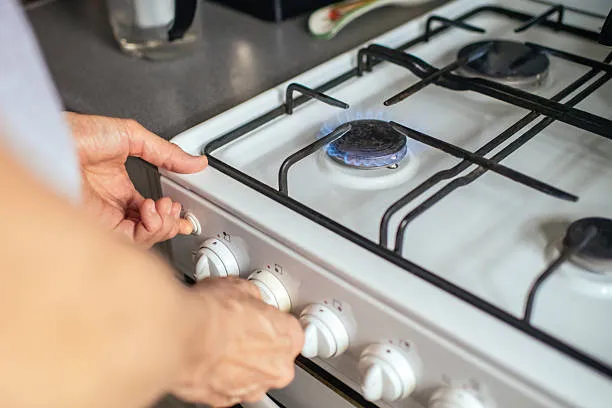
To understand the problem, you need to understand what “efficient combustion” looks like. A properly functioning gas hob produces a clean, steady blue flame that directs heat precisely onto your cookware. The burner draws the right ratio of gas and air, combustion is complete, and almost all the energy goes into heating your pan.
An older hob — especially one over 10 years old — starts to deviate from this ideal. Burner ports get blocked by carbon deposits and food residue. Gas flow regulation becomes inconsistent. Burner cap alignment shifts over time. The result is incomplete combustion, wasted thermal energy, and a flame that spreads wide instead of concentrating under the pan.
That yellow or orange flame you’ve been ignoring? It’s not just aesthetic — it’s your hob literally burning gas without fully converting it to usable heat.
Signs Your Gas Hob Is Wasting Gas
Here are the most common signs that your gas hob is wasting gas — and you should take each one seriously:
1. Yellow or Orange Flame Instead of Blue
A healthy burner produces a sharp blue cone of flame. Yellow or orange flame indicates incomplete combustion — the gas isn’t burning efficiently, meaning some of it is escaping as unburned fuel or converting to carbon monoxide rather than heat. This directly increases gas consumption per hour.
2. Uneven Flame Spread Pattern
Burner port blockages cause the flame to shoot unevenly around the burner. Certain areas of your pan get no heat, so you compensate by turning the flame higher — burning more gas for worse results.
3. Slow Boiling or Reduced Cooking Performance
This is the practical symptom. Water takes longer to boil. Sauces take longer to reduce. You leave the hob on higher and longer because the heat transfer to cookware just isn’t what it used to be. This is pure gas wastage.
4. Clicking or Ignition Problems
A hob that struggles to ignite wastes gas every time you turn it on. Continuous clicking also suggests moisture or debris in the ignition system — something modern auto-ignition systems handle far better than the older designs.
5. Visible Carbon Deposits Around Burners
Dark, crusty deposits around the burner caps and ports are a direct cause of poor flame efficiency. They restrict gas flow, disrupt the air-to-fuel ratio, and reduce the thermal efficiency of every single cook.
Why Old Gas Hobs Use More Gas: The Technical Reality
Burner Port Blockage and Gas Flow Restriction
Over years of use, grease, food particles, and carbon build up inside the tiny holes that release gas into the burner flame. Even partial blockage changes the gas pressure dynamics and forces incomplete combustion. Regular hob burner cleaning can help, but on older hobs, ports become permanently corroded or deformed.
Degraded Burner Cap Seating
The burner cap sits on top of the burner body and distributes the gas/air mix evenly. On a new hob, this fit is precise. On a hob that’s been removed for cleaning hundreds of times, the seating warps slightly — enough to allow gas to escape from the wrong places before combustion.
No Thermal Efficiency Features
Modern gas hobs are designed with heat distribution in mind — wok burners that direct flame correctly, tri-ring burners that match large cookware, and even integrated pan sensors on premium models. Older hobs had none of this. They simply released gas and let physics do the rest. That’s not a good strategy for reducing your household gas bill.
Standing Pilot Systems on Very Old Hobs
Some hobs over 20 years old use a standing pilot flame — a small flame that burns continuously to light the main burner. This is a constant gas drain. Every modern hob uses auto-ignition, eliminating this waste entirely.
Gas Regulator Problems
An aging or faulty gas regulator can allow too much gas pressure through, causing large wasteful flames that go well beyond your cookware. This is both a gas wastage issue and a gas safety concern.
How Much Gas Does a Gas Hob Use Per Hour?
This is one of the most searched questions in this space — and the answer matters when calculating your gas bill.
A typical gas hob burner uses between 0.3 and 1.5 kWh of gas per hour depending on burner size and heat setting. At current UK gas rates (approximately 5–7p per kWh as guided by Ofgem pricing caps), a medium burner running for an hour costs roughly 2–5p in gas. That sounds trivial until you account for an inefficient hob running 20–30% less efficiently — meaning you’re leaving the hob on longer, running it higher, and wasting that extra energy continuously.
Over a year, a household that cooks daily could easily waste £30–£80 from hob inefficiency alone. Add a gas regulator problem or a standing pilot burner and that figure climbs further.
Comparison: Old Gas Hob vs Modern Gas Hob Efficiency
| Feature | Old Gas Hob (10+ Years) | Modern Gas Hob |
|---|---|---|
| Flame type | Often yellow/mixed | Consistent blue flame |
| Burner efficiency | 55–65% thermal efficiency | 70–80% thermal efficiency |
| Ignition system | Standing pilot or worn auto-ignition | Reliable auto-ignition |
| Burner port condition | Likely blocked or corroded | Clean, precision-engineered |
| Heat distribution | Basic, single-ring | Multi-ring, wok-ready, zoned |
| Gas flow control | Basic valve, no precision | Simmer settings, precise control |
| Safety features | Limited | Flame failure devices (FFD) standard |
| Gas wastage risk | High | Low |
| Annual gas cost impact | Higher | Optimised |
The difference between old and new gas hob efficiency is not marginal — it’s the difference between a kitchen appliance that serves you and one that drains you.
Gas Hob Repair vs Replacement: What Makes More Sense?
This is the question most homeowners face once they recognise the problem. The honest answer depends on the age and condition of the hob.
Repair makes sense when:
- The hob is under 7 years old
- The problem is isolated (e.g., one blocked burner port, a single faulty igniter)
- A Gas Safe registered engineer confirms the appliance is otherwise sound
- The repair cost is under 40–50% of a replacement’s price
Replacement makes sense when:
- The hob is over 10 years old
- Multiple burners are underperforming
- You’ve had the same issues recur after repair
- The cost of running the inefficient appliance exceeds the cost of upgrading
At Gas hob Installation London, we regularly advise homeowners on exactly this decision — and the answer isn’t always replacement. But when a hob’s age and condition combine to waste both gas and your time, a modern, energy-efficient gas hob for your kitchen pays for itself surprisingly quickly.
How to Reduce Gas Usage From Your Gas Hob: Practical Steps
You don’t have to replace your hob immediately to start saving. These steps make a real difference:
Step 1: Clean the Burner Ports Thoroughly
Use a thin needle or toothpick to clear individual burner ports. Soak the burner caps in warm soapy water. Dry completely before replacing — moisture causes ignition problems and uneven flames. This single step can restore a noticeably healthier flame.
Step 2: Check Burner Cap Alignment
After every clean, ensure each burner cap sits perfectly flat and centred on its burner body. A slightly tilted cap creates uneven gas flow and poor heat distribution. This is a common kitchen gas efficiency issue that takes 10 seconds to fix.
Step 3: Match Pan Size to Flame Size
This is underrated. A flame extending beyond the edge of your pan wastes energy — that heat is going into your kitchen air, not your food. Always match flame spread to cookware size. The Energy Saving Trust cites this as one of the easiest kitchen gas efficiency tips available.
Step 4: Use Lids
Covering pots and pans reduces boiling time by up to 25%. Less time on the hob, less gas used — simple thermal efficiency in practice.
Step 5: Book a Gas Appliance Service
A Gas Safe registered engineer can inspect burner condition, test gas pressure, check regulator performance, and identify any gas safety concerns. Gas Safe Register recommends annual servicing of gas appliances. Regular gas hob servicing in London keeps your appliance running at its best and catches problems before they become expensive.
For professional servicing and installations across London, visit https://gashobinstallationlondon.co.uk/.
Expert Tips: Common Mistakes That Increase Gas Consumption
- Ignoring yellow flame — Most homeowners assume it’s normal. It isn’t. It always signals a combustion problem.
- Cleaning burners wet — Reinstalling damp burner caps causes ignition failures and encourages incomplete combustion until they dry out.
- Mismatching cookware — Using a small pan on a large burner wastes a significant percentage of your gas on every single cook.
- Skipping annual servicing — Which? research consistently shows that poorly maintained gas appliances cost more to run and fail earlier.
- Delaying replacement on very old hobs — The false economy of keeping a 15-year-old hob to “get the value out of it” often means paying more in gas bills than a new hob would cost.
Frequently Asked Questions
Does an old gas hob really increase my gas bill in the UK?
Yes. An old gas hob with blocked burner ports, degraded burner caps, or a faulty gas regulator burns gas less efficiently. You compensate by cooking on higher settings for longer, which directly increases your gas consumption. The difference in thermal efficiency between a 15-year-old hob and a modern one can be 15–25%, which adds up to a meaningful cost over a year.
Why does my old gas hob use more gas than it used to?
The most common causes are blocked burner ports from carbon deposits, misaligned burner caps causing uneven flame spread, and degraded gas flow valves that no longer regulate precisely. All of these reduce combustion efficiency and cause you to run the hob longer to achieve the same cooking result.
What does a yellow flame on a gas hob mean?
A yellow or orange flame indicates incomplete combustion — the gas-to-air ratio is off. This produces less heat per unit of gas burned and releases carbon monoxide as a byproduct. It’s both an efficiency problem and a safety concern. A Gas Safe registered engineer should inspect the appliance.
How much gas does a gas hob use per hour?
A standard medium burner uses approximately 0.5–1.0 kWh of gas per hour at medium heat. At current Ofgem-capped UK rates, that equates to roughly 3–6p per hour. An inefficient older hob may use 20–30% more gas to achieve the same temperature output.
When should you replace an old gas hob?
Most gas hob manufacturers and the Gas Safe Register suggest considering replacement after 10–15 years of use, particularly if you’re experiencing recurring performance issues, flame problems, or high gas bills. If repair costs exceed 40% of a comparable new appliance, replacement is usually the smarter financial choice.
What is the difference between old and new gas hob efficiency?
Modern gas hobs achieve thermal efficiency rates of 70–80%, compared to 55–65% for older models. They use auto-ignition (no standing pilot waste), feature precision burner engineering for better heat distribution, and include flame failure devices for safety. The overall result is cleaner combustion, better cooking performance, and lower gas consumption.
Can cleaning my gas hob burners reduce my gas bill?
Yes, significantly. Clearing blocked burner ports and ensuring burner caps are properly aligned restores proper flame shape and combustion efficiency. It’s the single most effective DIY step for reducing gas wastage from your hob. However, it doesn’t address underlying mechanical degradation in older appliances.
Is it worth servicing an old gas hob or just replacing it?
For hobs under 7–8 years old with isolated issues, servicing by a Gas Safe registered engineer is worthwhile and cost-effective. For hobs over 10 years old with multiple problems, the cumulative gas wastage and increasing repair frequency usually makes replacement the better long-term investment.
Conclusion: Stop Paying for Gas You’re Not Using
Your gas hob is one of the most used appliances in your home, and its efficiency — or lack of it — has a direct impact on your gas bill every single month. An outdated gas hob with degraded burners, poor flame control, and carbon-blocked ports isn’t just frustrating to cook on. It’s an appliance that’s quietly increasing your costs while delivering worse results.
The good news: the solution is straightforward. Start with a thorough burner clean and alignment check. Book an annual gas appliance service with a Gas Safe registered engineer. Match your flame to your cookware. And if your hob is over a decade old and consistently underperforming, a modern, energy-efficient replacement will pay back its cost through gas savings and improved performance.
For professional gas hob installation, servicing, and expert advice across London, the team at Gashobin Installation London is Gas Safe registered and ready to help. Whether you need a one-off service or a full replacement installation, getting it right from the start is always the most cost-effective decision.